Bridging Christ & Chinese Culture: Dr. Andrew (Zhonghu) Yan Joins GSC
by Shiao Chong, Associate Director, Global Scholars Canada
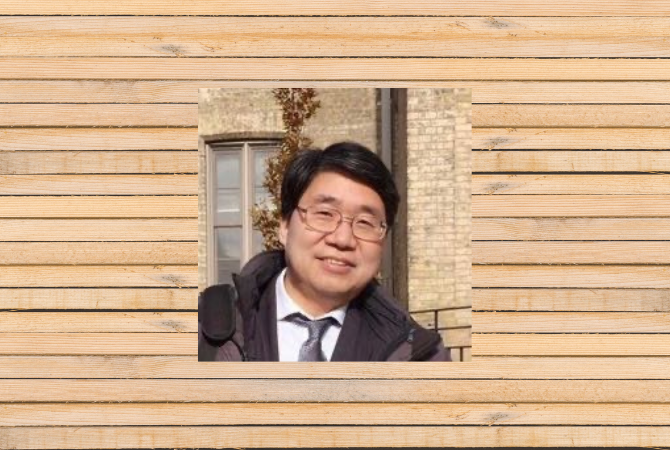
We are delighted to welcome Dr. Andrew (Zhonghu) Yan (颜钟祜) as our newest global scholar! As Sam Ren, the Asian Regional Representative of the Society of Christian Scholars, once described him, Andrew is an “outstanding philosopher with profound insights into both Chinese culture and Christianity.”
Originally from China, Andrew joins Global Scholars Canada after various teaching and research appointments in China, Botswana, the United States and Canada. He currently lectures in Philosophy and East Asian Studies at the University of Toronto while serving as an adjunct lecturer at the Canadian Chinese School of Theology at Tyndale University.
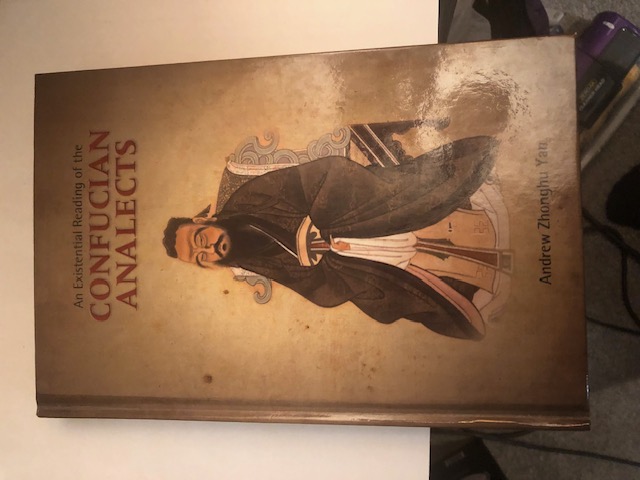
Andrew feels called to “build bridges of understanding” between Christianity and Chinese culture. To that end, he engages in the dialogue between Christian theology and Chinese philosophies, especially those of Daoism and Confucianism. Among his many published works are two books: An Existential Reading of the Confucian Analects (Cambria Press, New York, 2011) and its popular Chinese adaptation, When Existentialism Meets the Analects (Taiwan: Bifun Culture Press, 2025). He is currently working on a book provisionally titled The Dao and Logos: A Comparative Inquiry into Daoism and Christianity.
Andrew employs theologian Paul Tillich’s Christian existentialism to dialogue with the Chinese philosophies. Tillich’s concept of faith as “ultimate concern,” especially, is useful to discuss faith across different religions and even philosophy, not just in Christianity. When asked what each tradition can learn from each other, Andrew thinks that Chinese philosophy can learn about the personal dimension of ultimate reality from Christianity, that God is personal. Meanwhile, Western Christianity can learn from
Chinese philosophy’s emphasis on “being attuned to reality’s dynamic movements” to balance out Western Christianity’s emphasis on conforming to unchanging principles, which can become a rigid posture.
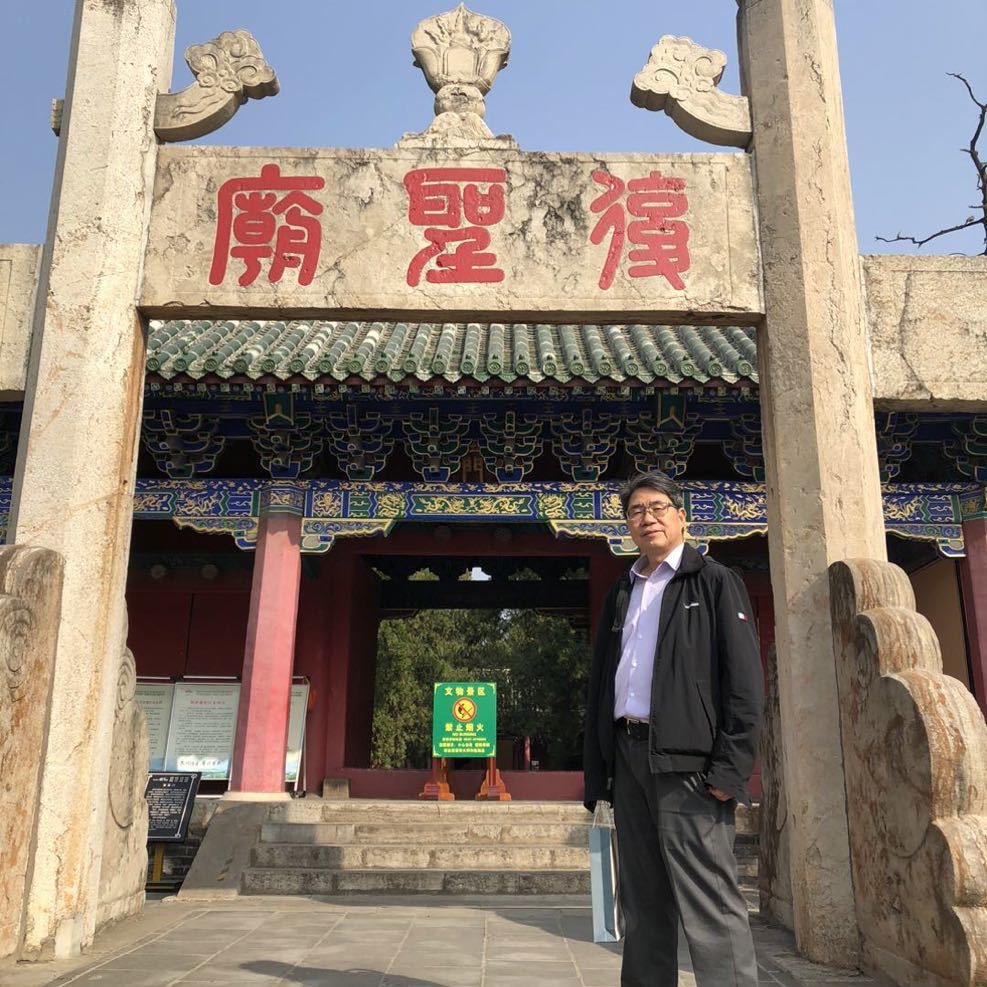
Ultimately, Andrew’s passion to contextualize Christian theology into Chinese culture and thought is for the sake of advancing the gospel. Ever since he became a Christian, while studying at Brown University in the USA, Andrew has been passionate to share his faith with family and friends. His wife Grace, his sister and his mother all became Christians through his efforts. His mother, a practising Buddhist for nearly thirty years, opened up to faith when Andrew told her that both Confucius and his esteemed disciple
Yan Hui, who was their ancestor, believed in “Heaven” or “the Lord on High” (Chinese terms for a supreme divine being). She was baptized in the following year.
Andrew’s faith in Christ is personal and experiential. At Brown University, God saved his life from a near-death experience in a car accident. Andrew took that as a sign from God and got baptized soon after. Later in life, he had a deep sense of the Spirit’s presence during a Tyndale University chapel service. Through the singing of the hymn, “Come Thou Fount of Every Blessing,” he felt a deep empathy for human suffering and God’s presence. Andrew also recounted a time when God provided employment for his wife when they were in desperate need as new immigrants to Canada. Grace now works as a financial
manager at the Toronto Community Housing Group.
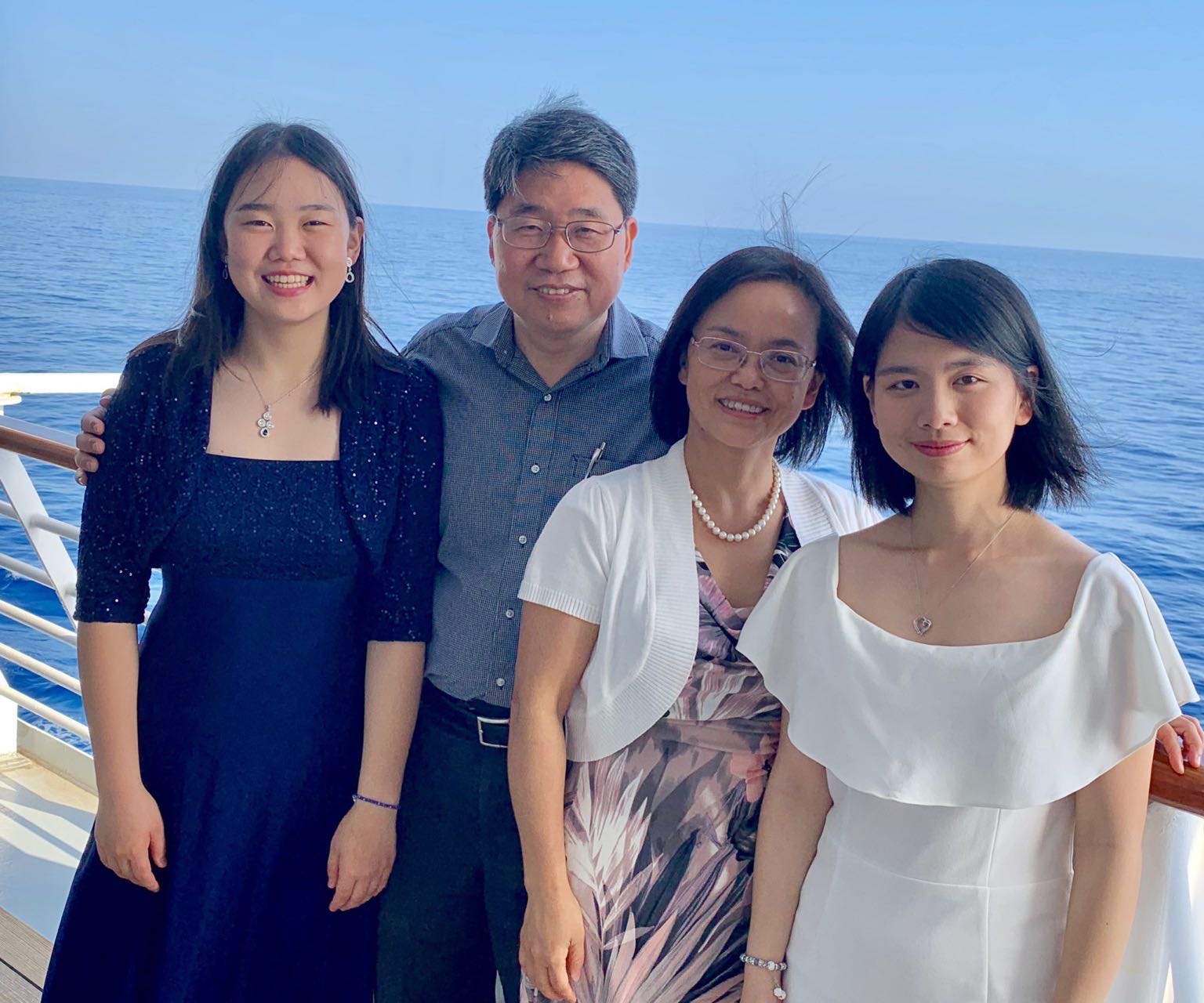
Andrew and his wife Grace Liu have two adult daughters, Ruwen and Rufei. They are members of China Bible Church in Toronto since 2000. He took on the biblical name “Andrew” after a friend suggested so because Yan liked fishing. And because he loved the hymn, “Amazing Grace,” Andrew suggested the name “Grace” for his wife. Andrew’s Chinese name means “boy with a divine mission” and “blessing”. As
already mentioned, his family name, Yan, can be traced back in its lineage to Confucius’ esteemed disciple, Yan Hui.
While Christianity has a long history in China, dating back to 635 A.D., Andrew’s personal mission is to further “help root the gospel deeply in Chinese soil so that it may bear fruit both within China and throughout the world” through teaching, scholarship and public engagement. He feels this aligns well with Global Scholars Canada’s mission.
You can read his guest post on our Executive Director Peter Schuurman’s blog here. Welcome again to the fold, Andrew! May God truly bless your mission as you build bridges between Christ and Chinese culture.