International Student STORIES: Global Flows of Education, Labour & Dreams
STORY 4 (Under the Sun: a Time to Leave, a Time to Seek and a Time to Love by Kiddo) Moving from home countries to host countries, settling down from coast to coast; here, we offer Stories from International Students in Canada. These are students’ voices and may echo your own experience. Even though they may not be known personally (names are protected for privacy), we invite you to hear: why they chose Canada to study, how they have worked to build new lives here, the ways in which they contribute and make a difference both at home and here, and significantly, how their lives cross paths with Jesus Christ.
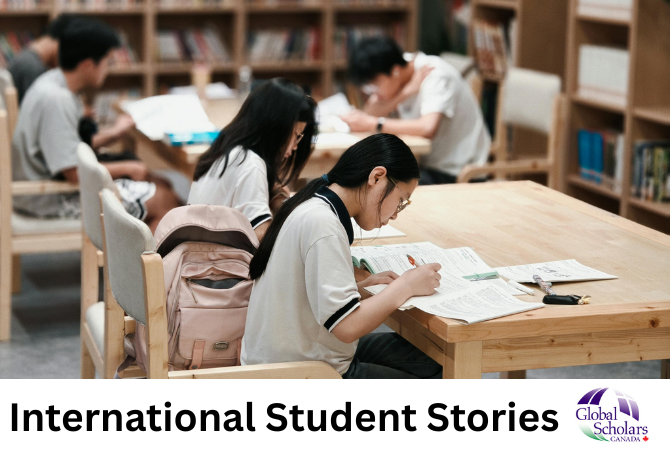
Born and raised in China, Kiddo studied abroad since her undergraduate years. Upon university graduation in Japan, Kiddo came to Vancouver, Canada for her master’s study at UBC. Starting to follow Jesus during study in Canada, Kiddo had moments of regret for the move to Canada, but she also saw God’s grace and His plans.
STORY 4 – Under the Sun: A Time to Leave, a Time to Seek, and a Time to Love by Kiddo
How I started my overseas studies from Japan to Canada
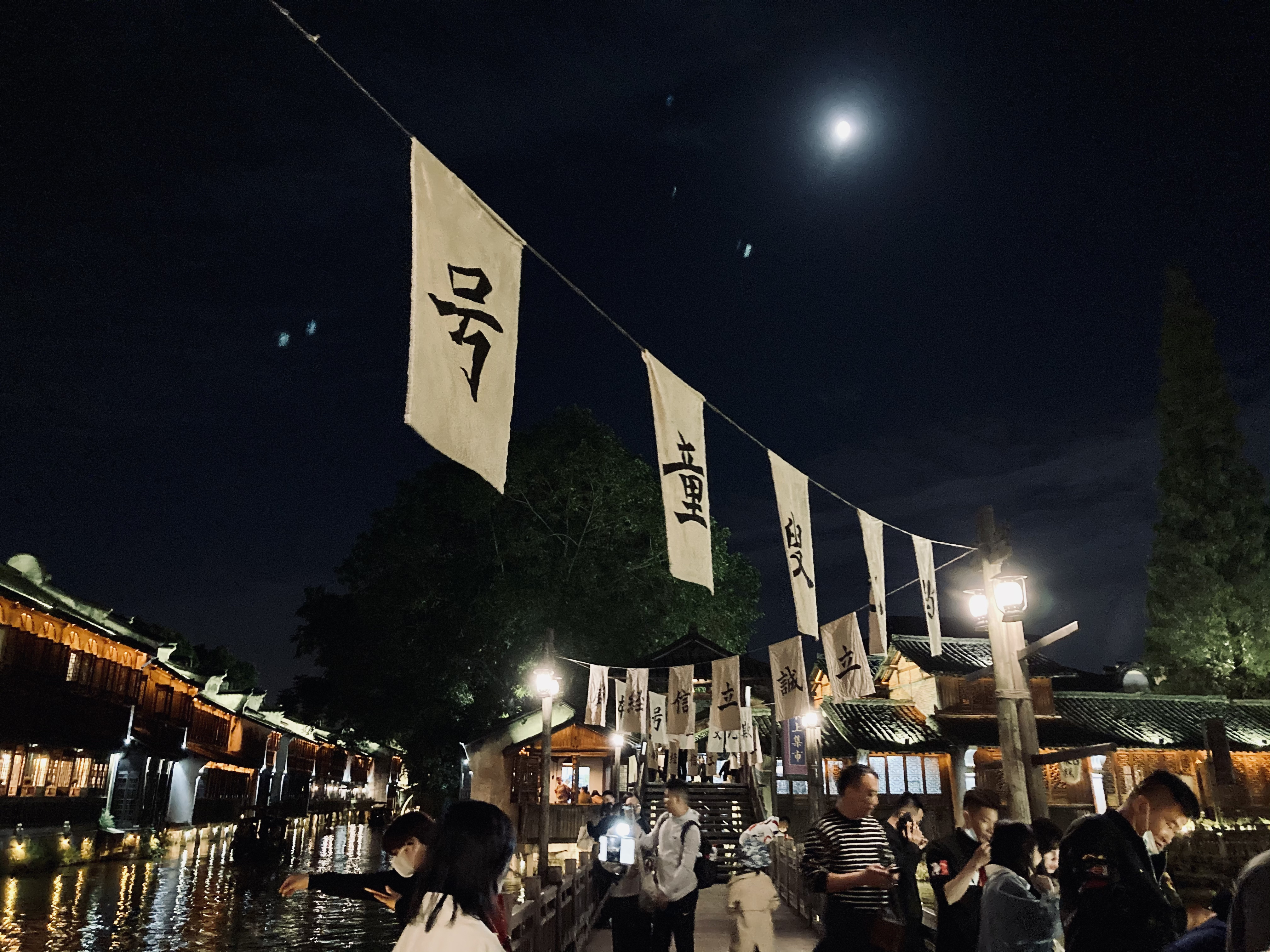
I was born and raised in a neighboring city to Shanghai, famous for its ancient water towns and silk production. My parents are not rich or powerful in terms of their social class. In high school, I had a teacher who only gave attention and support to the kids whose families could give her some rewards in return, so I was just attending classes without being paid attention by my teacher. Despite my humble family background, since I am the only child in my family, studying abroad in a relatively low-cost country like Japan with scholarships and tuition reduction was still affordable. In 2018, I went to Japan for my Bachelor’s degree as part of Japan’s Global 30 project. For my Bachelor’s degree, I only submitted one application because I wanted to follow my interestand I thought I would continue for a PhD in this field. However, during the pandemic, it became clear to me that studying and living in China and Japan did not suit my personality. So I started looking at English-speaking countries’ immigration policies and job markets. They are mostly in favor of STEM fields. Therefore, when I started applications for graduate schools in 2022, I decided to give up my interest and be more “practical”.
In 2023, I came to Canada for my Master’s program at the University of British Columbia (UBC). In 2025, I graduated. Compared to my B.A., my master’s studies blend arts-based humanities with science-based technology, which seems more promising in job-search and is less expensive than many M.A. programs, though for me this degree was still about $6,000 more than for domestic students annually. During the pandemic, my childhood friends studying in North America or Europe experienced Asian hate, such as being told to get out of the country or being called a “virus” while walking on the street. In comparison, Vancouver, with a relatively large Asian population, seems a safer place. Back then, Canada had a friendlier immigration policy. The UBC’s program I enrolled in was less expensive than a similar one at the University of Toronto and has a January entry. As my undergraduate thesis submission was due in December, there was no time gap allowing me to be back in China as I did not want to risk having another Covid lockdown. I only submitted one application for my master’s program, but everything brought me to UBC was not planned by myself.
Finding God’s grace in the places I now live, study, and work
There are many times I regret my decision to come to Canada. The most recent one happened this week when I was writing my story. After vomiting eight times from midnight till noon in my basement because of food poisoning, hearing my mom crying on the phone, I experienced the regret once again. In the middle of these happenings, I had to figure out the English terms for the Chinese medicines I know and which hospital I need to go to for emergency, as I do not have a family doctor. Till I wrote this story down, I realized that leaving China for Japan, and leaving Japan for Canada, were both the best options in hindsight. Otherwise, why would I just need to prepare and make one application only? From God’s point of view, I guess these moments were at least not terrible. If that was the case, how could my school applications and visa applications all go smoothly?
I also had experiences where God showed grace by interrupting my plan. In 2024, I finished my first co-op and was looking for another one. I was hoping to secure three co-op experiences before graduation, but there weren’t any jobs related to my specialization open on the job board for international students. During a career development session, I was told that there were decreasing internship opportunities under the current economy. While there were the Young Canada Works program and the opportunities in the U.S, the guest speakers noticed that the Young Canada Works program is not open for international students. They brought up the U.S. option without knowing there are work permit problems for non-U.S. students. At that moment, I felt hurt and could not believe how difficult it was for international students to find a co-op in Canada or the U.S. It took me about one and a half years to get a visa interview for the travel visa in the U.S., so it was nearly impossible for me to be qualified to apply for their work permit.
Therefore, I then turned to the UBC Work Learn which is a student part-time job and less financially appealing. I got selected, and the team was very caring and supportive. My manager in the department used to be an international student herself and offered me valuable advice both for my career and for my life. I was promoted to a full-time employee after my graduation, which was something exceptional for our co-op program’s requirements.
My continued work at UBC benefits me with stronger grounds for convincing HR of my work eligibility. My post-graduation work permit took five months to arrive. While waiting for the final paperwork to arrive, I had a temporary document with a six-month validity period, which creates doubt and hesitation for employers. More often, the HR system would just filter out my application directly because of the declaration of my work status in Canada. Career advisors suggest I choose “study permit” instead of “work permit” to avoid being accused of lying. I can still explain my eligibility in other sections, on resumes and cover letters, but after learning my visa status, rejections still came through auto-email and screening phone calls. I used to feel angry and helpless about this unfairness, but the realization of justice is eventually done by God brings me comfort.
Finding Christian communities and learning God’s love for imperfect people in this imperfect world
I was not born in a Christian family, nor was I a Christian before coming to Canada. I cannot see His whole plan for me to move around, but one of them should be having a closer relationship with Him. I often miss my days of undergraduate studies in Japan when I learnt about humans from a social science perspective. The weekly Bible studies organized by UBC Intervarsity Graduate Students remind me of that time, as interpreting characters in the Bible or Jesus’ words often align with some of the academic theories I have learnt. After choosing a more corporate-facing specialization for my master’s degree, exploring humanity in God’s world with genuine friends through the weekly Bible studies group has filled the emptiness in me.
Recently, I realized that I may look for perfection too much. China, Japan, Canada–none of them right now are ideal for me. If I go back home, I know China has been changed so dramatically in a way that I cannot fit into comfortably. The home I miss is only in my memory now. But if I head to a fourth country, it will be just like Canada or Japan where some parts of the countries I can never be comfortable with. Sometimes, I feel disappointed with myself for never feeling satisfied. I wish I could be more feminine when I was in Japan. And now, in Canada, I wish I could be more masculine. I think my high school self was too idealistic and I don’t like myself now being too realistic. I struggle within myself, as I cannot seem to find a perfect balance.
People in Canada often ask about my research/career interests, and this makes me sad. I think it is a privilege to follow one’s interests, and I do not have that privilege. I envy those who are excited about their expertise and future plans, or at least can pretend so in small talks. At Bible studies, we always say to love your neighbour as you love yourself, but it seems that I am still learning to accept and love myself. I think this is my beginner’s lesson to get close to God’s unconditional love for imperfect people in His imperfect world.