Demoted to Listening: News from Dr. Ney
Updates with important links to learn much more…
Last month marked the end of the inaugural phase of the IFES Logos and Cosmos Initiative. There is much to celebrate, most especially the achievements of 96 “science and theology” catalysts, across the majority world. You can read about eight of them in this colourful digital flipbook: Equipping Students to Bridge Faith and Science, young scientists who have brought energy to their university student fellowships and healing to their broader communities by using their expertise in soil science, genome editing, cognitive behavioural therapy, etc. etc. etc.
Last month also marked the end of my six years’ work for IFES. When the LCI was born, I was tentatively given the title of “deputy director, which seemed a bit too lofty given that I had little training in science-theology dialogue and little experience in project management. But I was honoured and invigorated by the assignment.
As the program found its stride, my role became clearer and its title evolved into “Curriculum Manager.” So I wasn’t the one telling people what to do, but coordinating them as they figured out what to do. The “them” was a team of leaders and scholars in Francophone Africa and Latin America who would know better than I what’s needed and likely to work in their contexts. I located some good books, suggested some effective assignments and learning activities to run on university campuses, but I wasn’t teaching directly, and people weren’t really accountable to me.
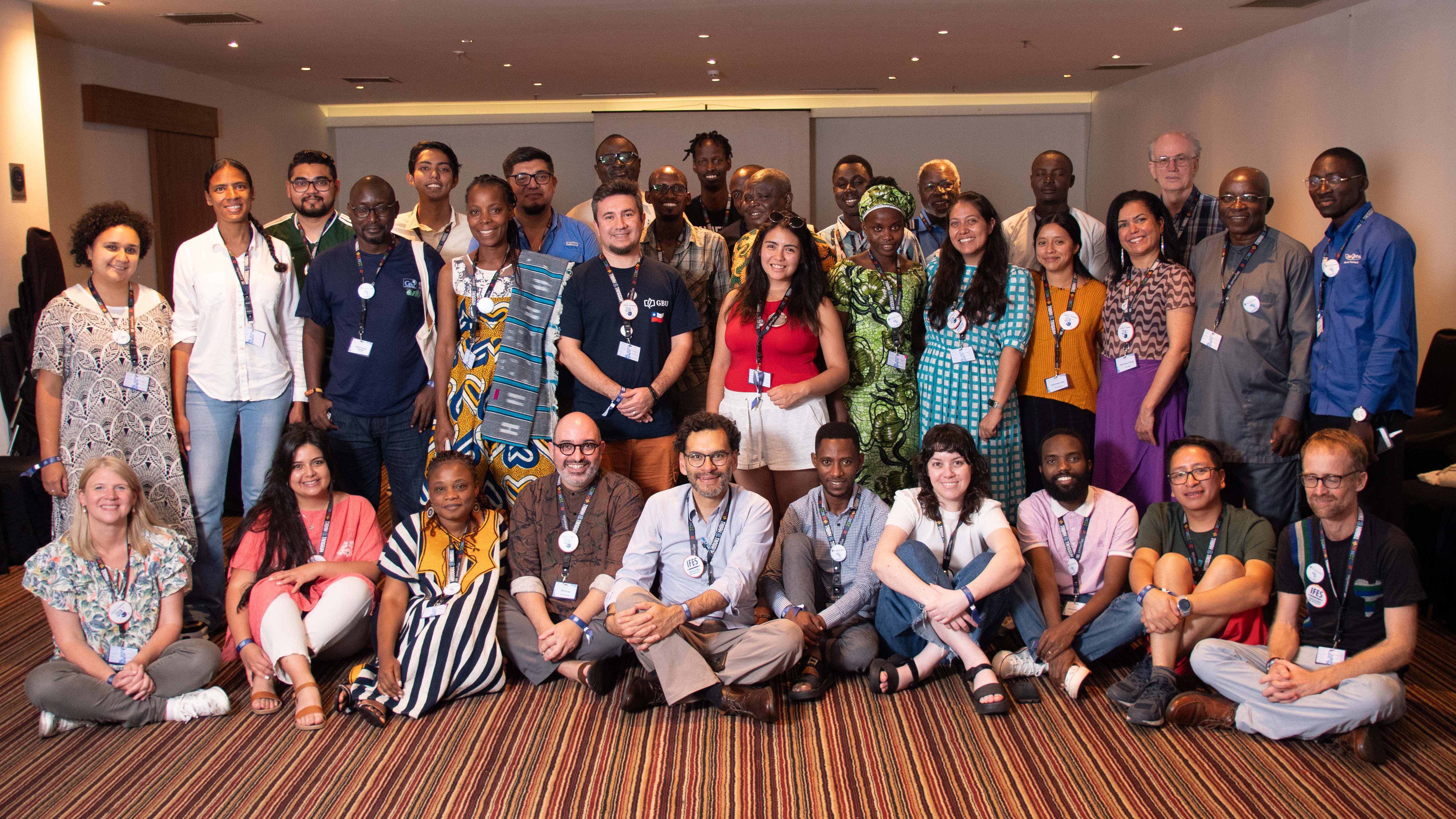
This was a good evolution. It allowed me to convene a “Training Development Team” responsible to support the African and Latin American leaders with training ideas and materials, and I grew as a leader even though I didn’t have a high profile. But then, as the non-Western leaders grew in confidence and skill, and as their training programs began to flow smoothly, I was needed much less to develop curriculum, so my role evolved from Manager to Curator – curator of the good things emerging from staff and catalysts outside the West, including these resources: Resources from the IFES Logos and Cosmos Initiative.
These evolutions were good for my skills development, but they often prevented me from implementing my ideas and bruised my emotions. I wondered if I had enough authority to do what I was responsible for. I sometimes felt I was being demoted. But even if I was being demoted, was that something to celebrate, given that a central goal of the LCI was to nurture a new generation of theology and science thought leaders from the Majority World (Why is this program important?) And given that history overflows with non-Westerners being Directed and Managed by Westerners, was now an opportune time for small steps to right the imbalance? Yes, without a doubt such small steps are necessary.
Even the role of Curator could be said to need some humbling, some scaling back, because my language and disciplinary limitations meant that I couldn’t always easily hear the message or assess the value of resources being produced by our Latin American and African participants. What if I took my primary role to be Listener, before venturing into the more visible tasks?
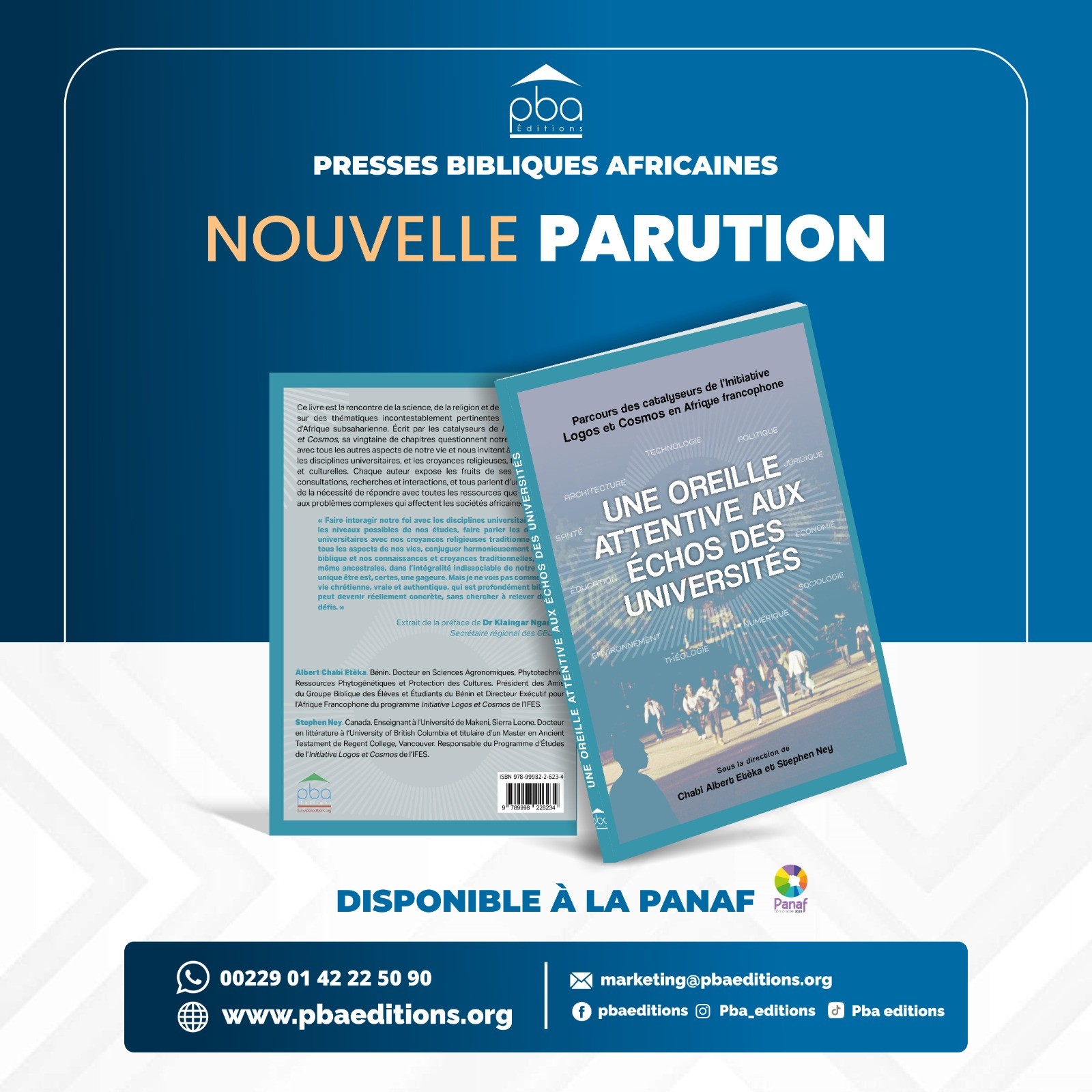
That’s a possibility explored by the collection of essays by LCI participants from Francophone African, which we published last month: Une oreille attentive aux échos des universités (Explore new resources from the LCI). I’ll probably spend the rest of my life continuing to explore that possibility! Listening isn’t at all a simple role, neither emotionally nor intellectually. Directing and Managing and Curating probably need a lot less energy and insight than Recognizing what something really is.
The work of the Christian scholar (and the mandate of GSC) needs somehow to put listening at the centre, and only then to extend outward into curating, managing, and directing.