Leading in a World of Joy and Love
GSC Welcomes Newest Board Member, Dr. Gang Li
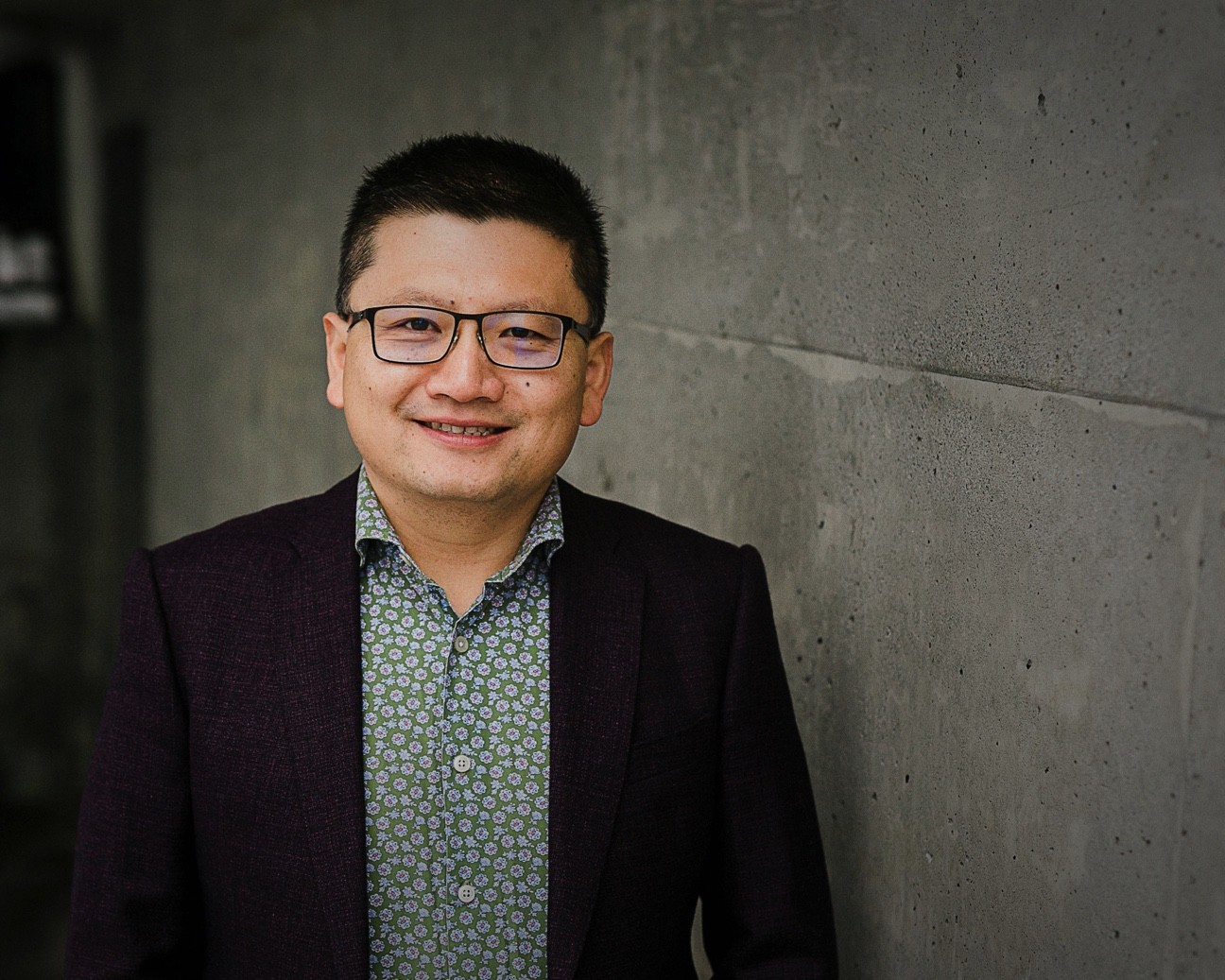
Dr. Gang Li was enthusiastically voted in by the GSC board on June 10th, 2023 after an earlier interview with a sub-committee of the board. He said, quoting Nietzsche, that he has a strong conviction about his why for joining the board. He now needs to settle into the how of his participation.
Dr. Li was an only child born and raised in the People’s Republic of China. There the social world was a clash of class interests which the government aimed to ameliorate through careful planning. Yet something seemed to be missing from this life.
An American teacher introduced the young Gang Li to the colourful and rich spiritual world of the Christian faith. Something came alive in him that he just could not let go, and over the next decade his own faith would grow.
He received his BA in English at Yantai University, China in 2002. Then he worked as an English teacher at Beijing New Oriental School for five years. From 2007 to 2008, Gang attended Cardiff University in the United Kingdom, completing an MSc in Education with distinction as a Chevening Scholar. There in Wales he attended a Presbyterian church. “That was one of the best years of my life,” recounts Li. “It was also a most wonderful experience of congregational life. The singing was just beautiful.”
Even today, Dr. Li experiences a deep sense of joy in Sunday worship. “Sometimes I feel so much joy in church,” he explains, “I just want to shout ‘Amen!’”
Governance Matters
His next step in education was to do his PhD in education, and he applied to the program at UBC because of a certain church in the area that he thought would be nourishing for him. He knew no one in the region, but he took the leap to Canada. After much intense study and writing, and ten years of dissertation work, in 2020 he received his PhD in Educational Studies from UBC.
His PhD research was on the democratic sensibilities of Chinese international students who return home to China after being overseas. There are one million Chinese international students around the world and 70% are in English-speaking countries. How does their return affect China? What are their political and democratic sensibilities after spending years outside of China, and how does this influence the culture and future of China?
Dr. Li is not the typical education professor, as his expertise is not in teacher training. His fields of interest include leadership, governance, integration of faith and learning, and international higher education. He is particularly interested in reimagining leadership studies from the perspective of a Christian worldview particularly by reconceptualizing the notion and practices of leadership within the biblical metanarrative.
At the moment, Dr. Li is collaborating with other scholars in the China Innovative Urban-rural Governance Research Network to advance conceptual bases of community leadership in rural China through case study research.
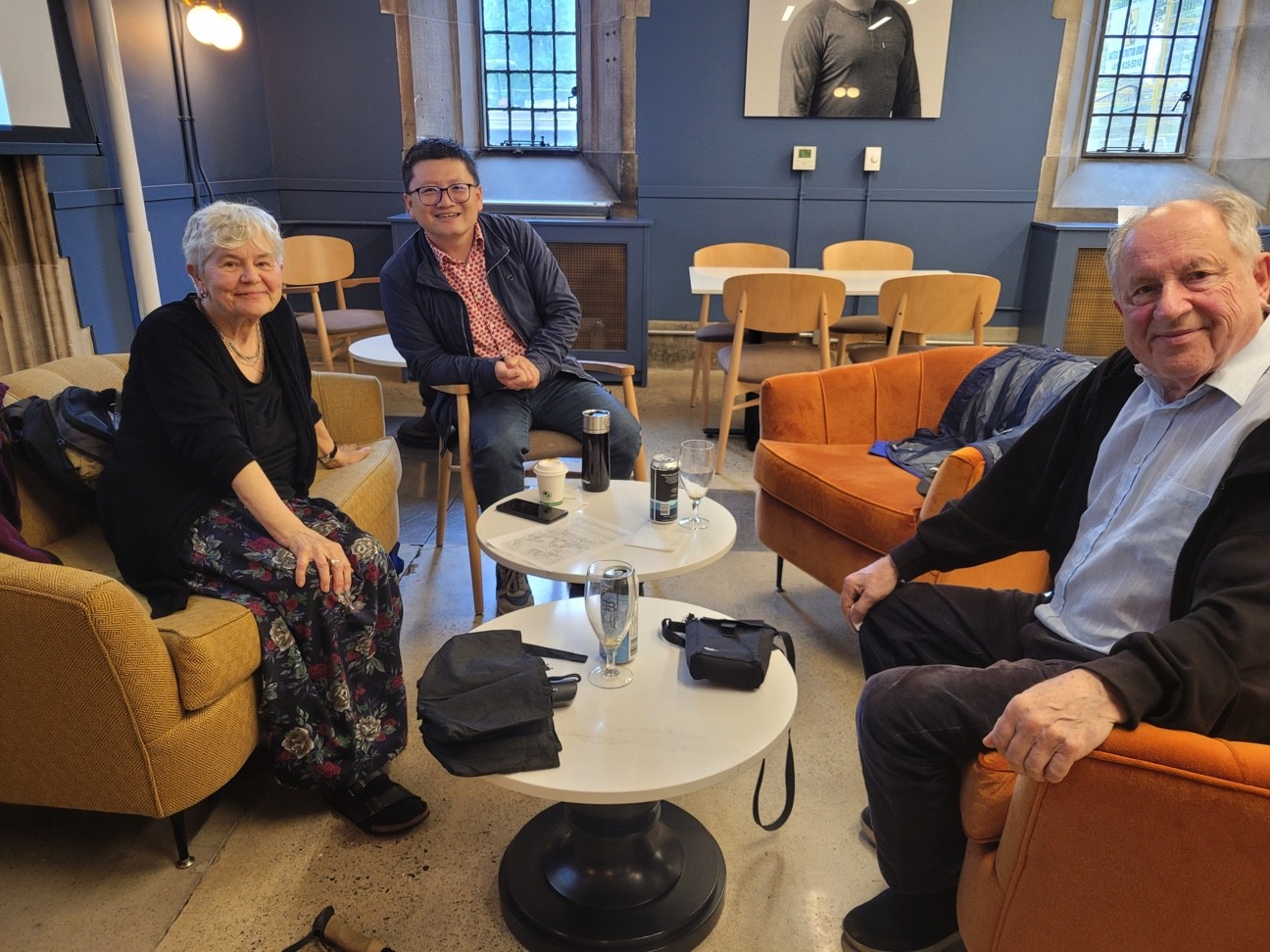
Dr. Li not only has experience and research expertise in global education, but he is also an assistant professor of leadership studies at Trinity Western University (TWU) in Richmond, BC, and is growing in his interest and research on institutional governance. He sees governance as first of all a process, and is inclined to a policy governance approach. He likes to look at the structure and entire process of a board to see if and where there is room for improvement. This includes not only the formal governance procedures and policies, but also in terms of the culture of meetings and communications. He had board experience from being an elder in his church and is currently serving in a role on Senate at TWU.
Reading for Leading
If asked about his core values, Dr. Li points to the virtues of goodness and humility. “The world is complex with multiple dimensions,” he explains, “and we need to honour the wisdom of God in diversifying church denominations. No single church is the only true church, and the instances of church violence of the past such as those against the Anabaptists were wrong.” Dr. Li is an ardent ecumenist, and pushes for public apologies where needed, and to the need for constant collaboration.
What is Dr. Li currently reading? He is always ready to speak of his love for the work of theologian John Owen (all 17 volumes!), and especially the way in which Owen makes faith not just a matter of dogmatic assertion but also heartfelt experience. “He is the Prince of Puritans,” explains Li, who is currently reading Volume 6 on indwelling sin in believers and the mortification of sin.
He is enjoying Conceiving the Christian College by Duane Litfin (2004), which asks how Christian universities keep their bearings in the tumultuous intellectual seas of the twenty-first century. The author writes of the importance of holding fast to one’s core identity in the midst of the cross-pressures of our age.
As mentioned above, Dr. Li teaches a lot in leadership and organizational management. He appreciates Brené Brown’s work Dare to Lead: Brave Work. Tough Conversations. Whole Hearts (Random House 2018). The writer insists that leadership is not about status or power but rather recognizing the potential in people and ideas, and having the courage to experiment with that potential. In other words, it is not about being the person with all the right answers, but being the most curious person in the room who asks the right questions. It is not about power as much as the courage to be vulnerable and take creative risks for the greater good.
Dr. Li can talk easily about grand ideas of leadership. But those ideas are contextualized by what is most important to him: knowing that he is beloved—by his parents, by his church, friends and colleagues–and all that as a means by which God, in Jesus Christ, by the Holy Spirit, calls him his own, body and soul, in life and death (to allude to the Heidelberg Catechism Q &A #1).